01
Underground
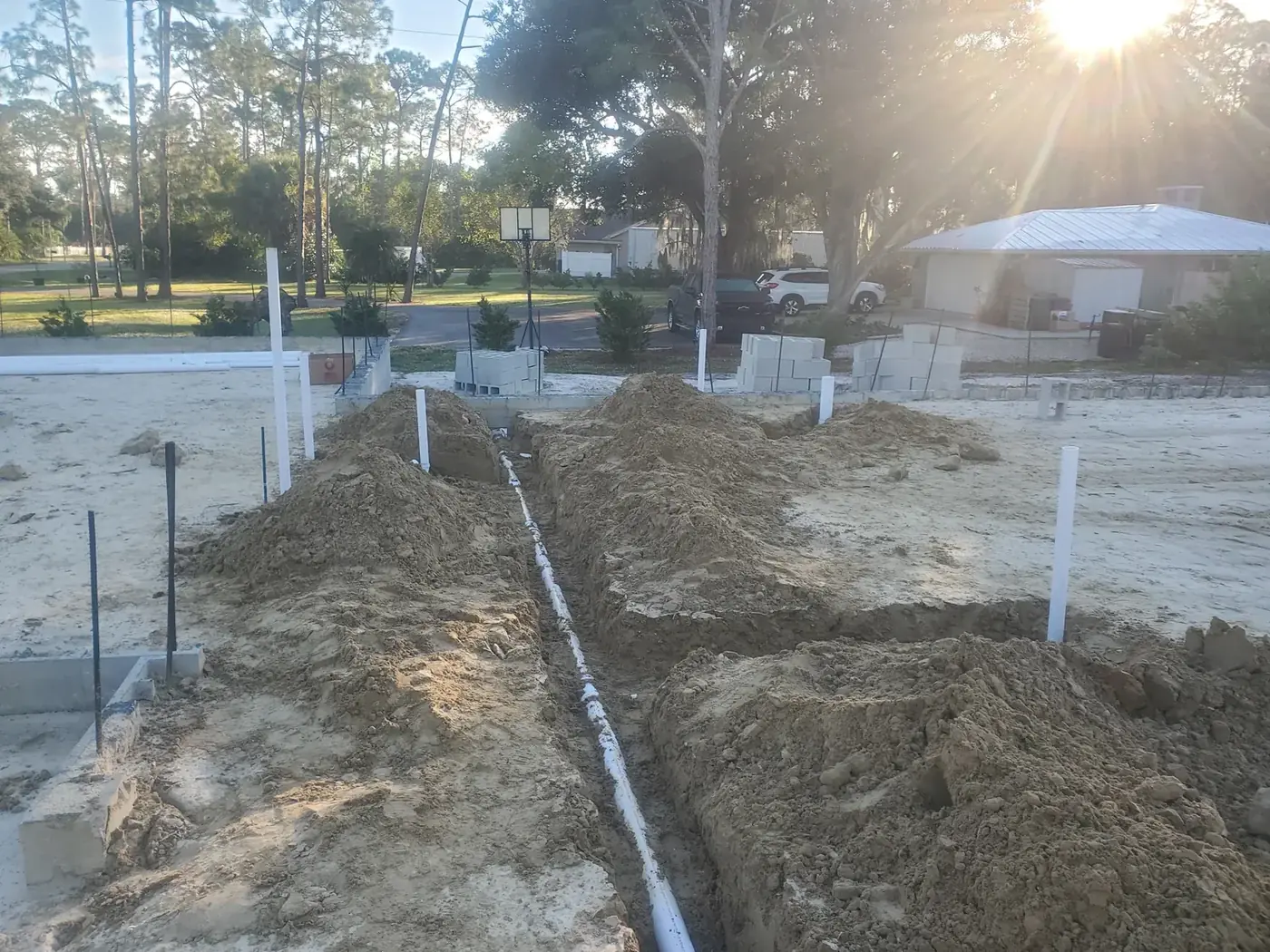
Below-slab drainage and other underground plumbing installed to the approved plan before the structure closes in.

Plumbing for new residential and commercial construction, including underground, rough-in, water distribution, fixtures, testing, inspections and final connections as defined by the project scope.
New-construction plumbing is a sequence of coordinated phases. The exact scope is established by the approved plans, specifications and construction agreement.
Below-slab drainage and other underground plumbing installed to the approved plan before the structure closes in.
Water, drain and vent systems are routed and installed while framing and building systems remain accessible.
Valves, water-heating equipment and plumbing fixtures are installed in coordination with the selected products and finishes.
Required testing, inspections and final plumbing connections are completed according to the agreed project scope.
Early coordination can identify conflicts with structure and other building systems before work is installed.
Depending on the project structure, plumbing permits and required inspections may be coordinated by the plumbing contractor or through the general contractor.
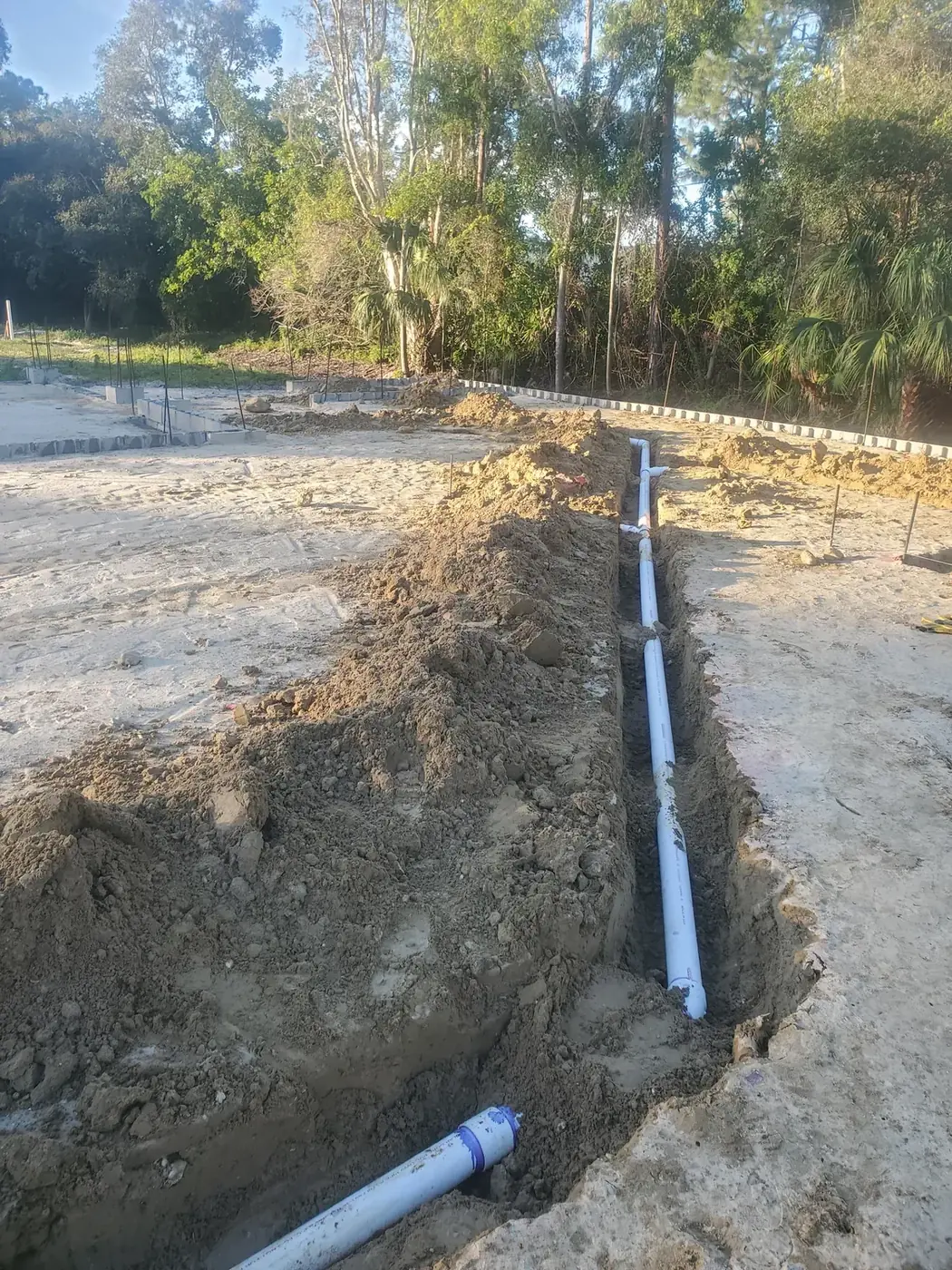
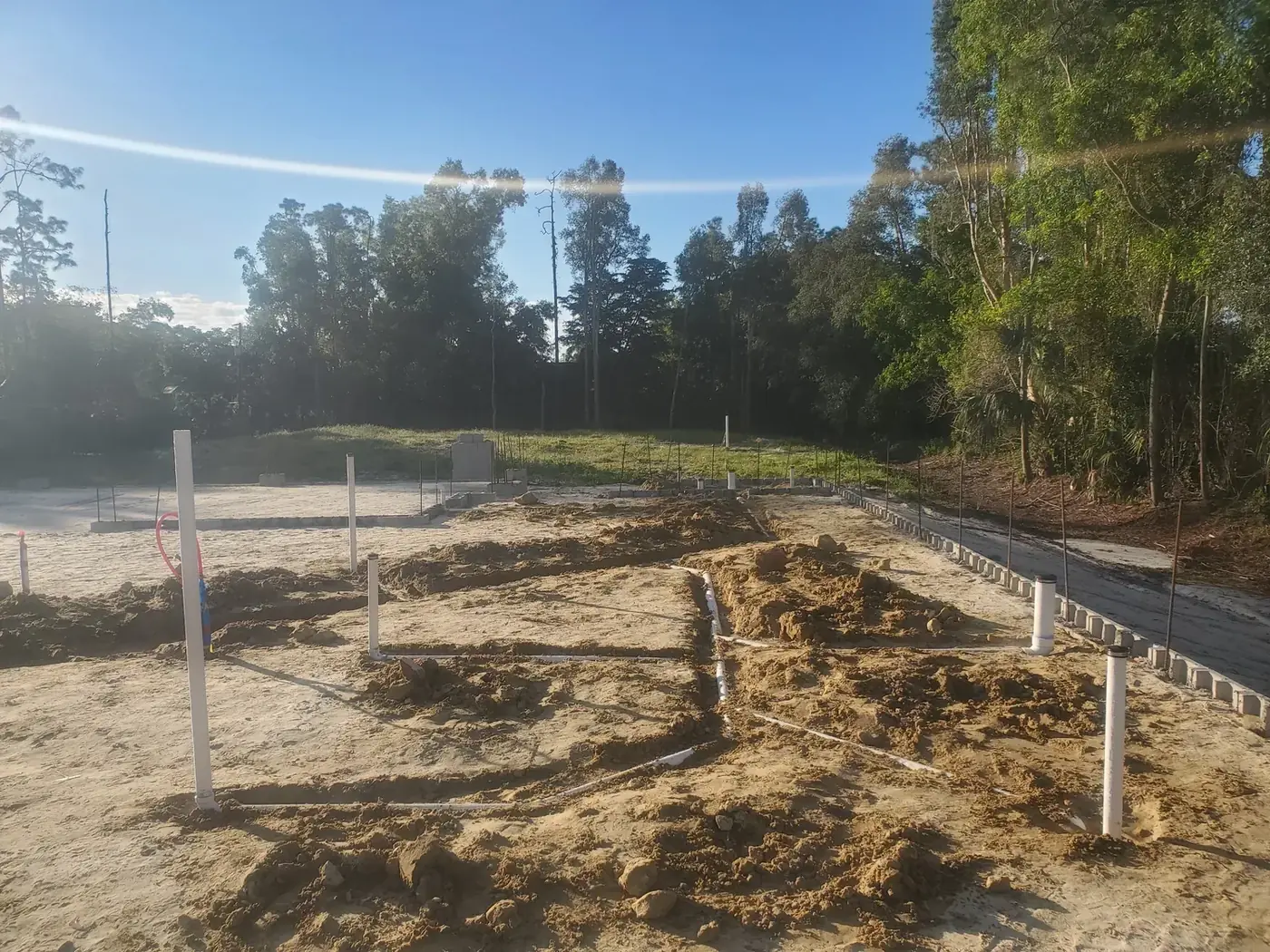
These project photographs show real A. Plumbing Pro underground and rough plumbing—the work that ultimately supports every finished fixture.
Complete plans and a clearly defined scope make pricing, scheduling and coordination more predictable.
New-construction plumbing generally includes underground plumbing, water and drainage rough-in, vent piping, water distribution, installation of required valves and equipment, fixture installation, testing, inspections and final plumbing connections. The exact phases depend on the construction plans and project scope.
The plumbing contractor should ideally become involved during the planning and bidding stages. Early involvement allows plumbing requirements to be coordinated with the building design, structural components, mechanical systems, electrical work, cabinetry and other trades before construction begins.
Yes. A detailed plumbing proposal can be prepared from complete construction drawings and specifications. The more complete the plans and fixture information are, the more accurately the project can be priced.
Responsibility should be established before the project begins and identified in the construction agreement. Depending on the project structure, the plumbing contractor or general contractor may coordinate plumbing permits and required inspections.
Yes. We can help review proposed plumbing fixtures and equipment to confirm that they are appropriate for the planned installation and compatible with the required plumbing connections.
Complete architectural and plumbing plans, project specifications, fixture schedules, equipment selections, construction schedule, site information and a clear definition of the plumbing scope are helpful when preparing an accurate proposal. Missing or undecided items may need to be carried as allowances or exclusions.
Allowances are used when specific materials, fixtures or portions of the work have not yet been finalized. Changes to the approved plans or original scope should be documented through a written change order identifying any adjustment to price or schedule before the additional work proceeds.
Yes. Plumbing construction requires coordination with the general contractor, architect, structural trades, electricians, HVAC contractors, cabinet installers and other project participants. Coordination helps ensure the plumbing is installed in the correct locations and at the appropriate stage of construction.
These phases can be included as part of a complete new-construction plumbing scope. The proposal should clearly identify which phases, fixtures, equipment, testing, permits and inspections are included so all parties understand the extent of the work.
Plumbing fixtures, equipment and materials are covered according to the applicable manufacturer warranties. A. Plumbing Pro provides a one-year labor warranty on qualifying workmanship; project-specific warranty terms should also be identified in the construction agreement.
Send complete construction plans, specifications, fixture schedules and project timing so we can review the plumbing scope.