Convenience
Hot water arrives faster
Reduce the wait at fixtures that are a long distance from the water heater.

Installation and replacement of hot-water recirculating pumps designed to reduce the wait for hot water at faucets and showers.
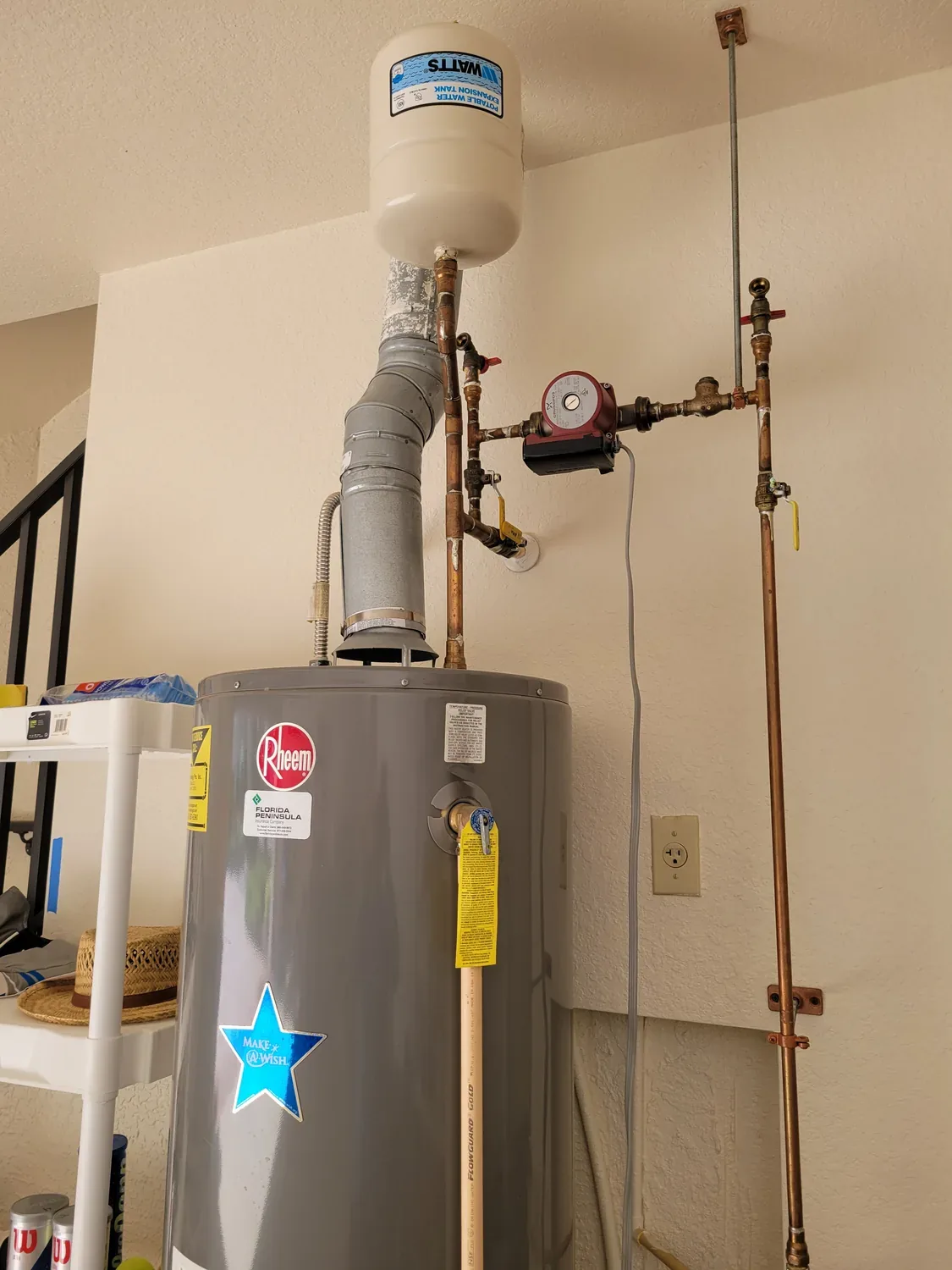
A recirculating system keeps hot water moving through the plumbing so it can reach fixtures more quickly. The best approach depends on the home's piping layout and whether a dedicated return line exists.
Reduce the wait at fixtures that are a long distance from the water heater.
Reducing wait time can also reduce the amount of water wasted while waiting for the line to heat up.
Depending on the system, controls may include timers, thermostats or demand activation rather than continuous operation.
The pump uses electricity and hot piping loses heat. Timers, thermostats, demand controls and pipe insulation can help reduce unnecessary operation and heat loss.
Actual installation time depends on the system type, accessibility, plumbing layout and whether additional piping or electrical work is needed.
The main image is an actual A. Plumbing Pro recirculating-pump installation. Supporting images show the water-heating equipment these systems work alongside.
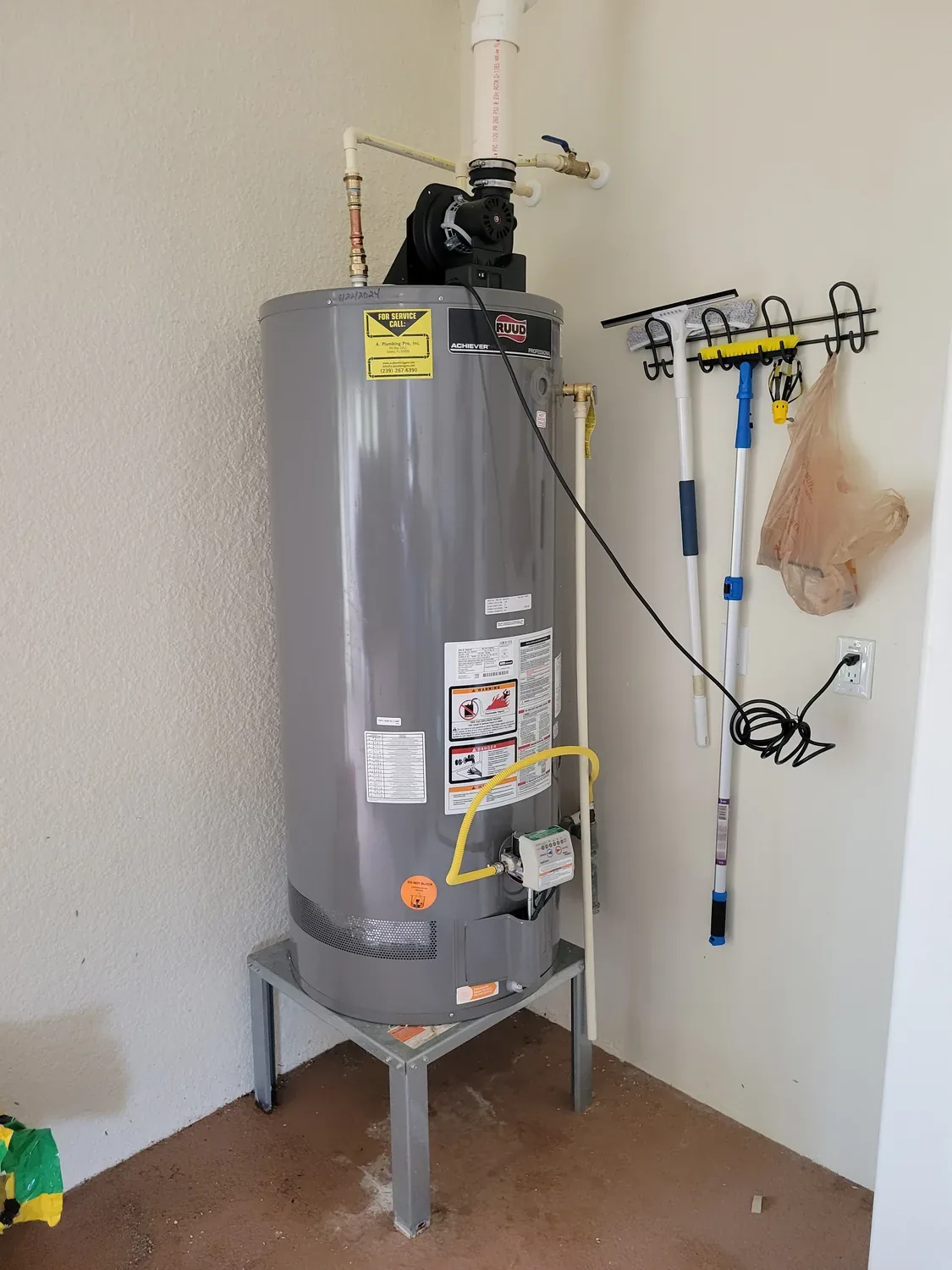
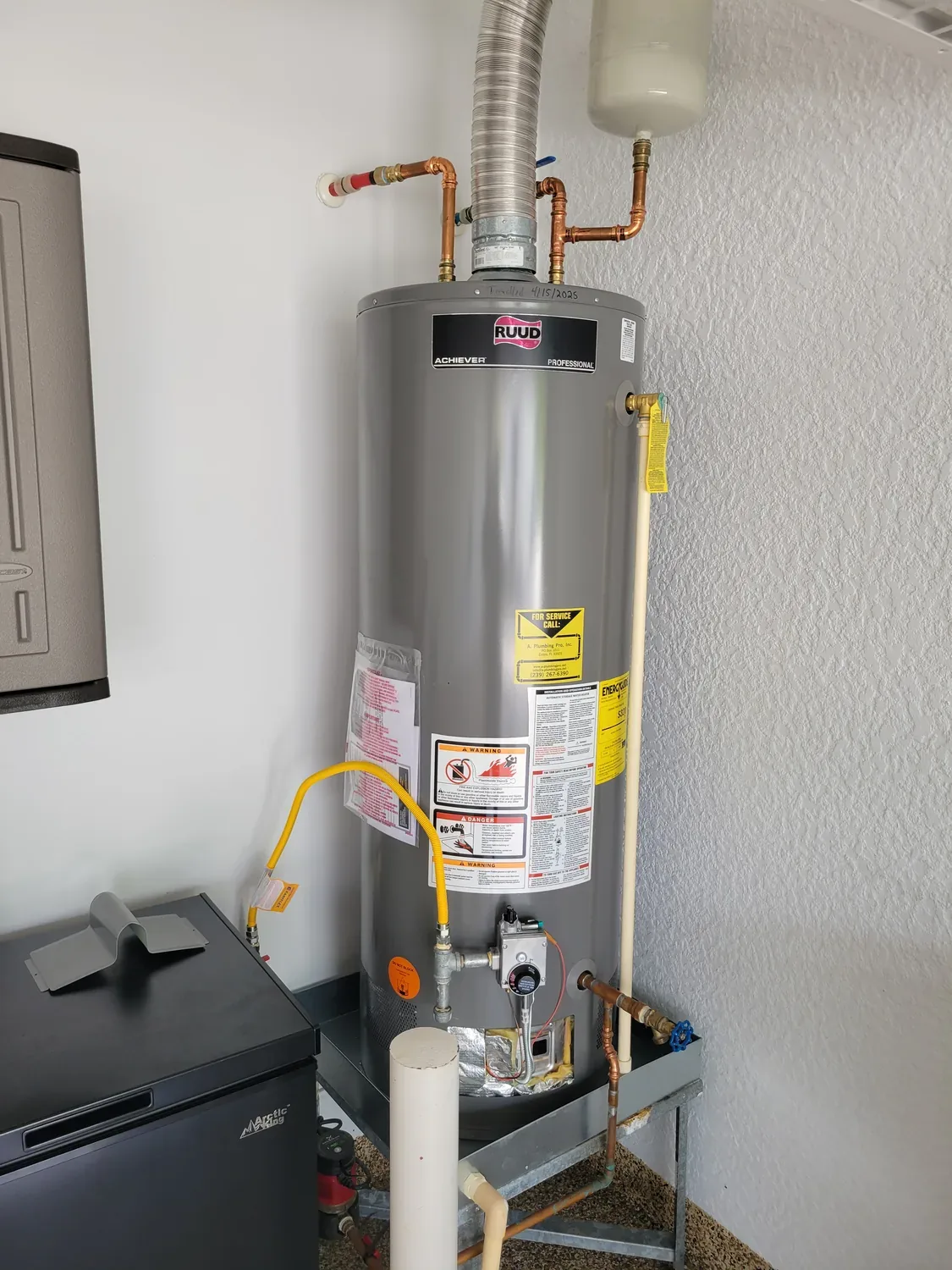
The right system depends on how the home is plumbed and how you want the pump controlled.
A hot-water recirculating pump keeps hot water moving through the plumbing system so it is available more quickly when a faucet or shower is turned on. Systems may use a dedicated return line or a specially designed crossover connection.
The primary benefit is convenience: less waiting for hot water to reach a fixture. It can also reduce the amount of water that would otherwise be wasted while waiting.
Yes. The best system depends on how the home is plumbed and whether a dedicated hot-water return line already exists. Homes without a return line may still have options that do not require extensive repiping.
Yes. Depending on the system, a recirculating pump can be controlled by a timer, temperature sensor or demand-activated control so it operates only when needed.
A pump uses electricity, and continuously circulating hot water can increase piping heat loss. Timers, thermostats, demand controls and insulated hot-water lines can reduce unnecessary energy use.
A typical installation can often be completed within a few hours. Time depends on the type of system, existing plumbing layout, accessibility and whether additional piping or electrical work is required.
Recirculating pumps generally require minimal maintenance. Periodic inspection is recommended to make sure the pump, valves, controls and connections are operating properly.
Request service and tell us which fixtures take the longest to get hot. We can evaluate whether a recirculating system is a good fit.